Articles · Updated
Perhaps it came from a grandparent, or it’s been tucked away in a drawer for years. Many British families have a gold sovereign or two somewhere, and sooner or later the question comes up: what is it actually worth? The good news is that the answer starts with a few fixed numbers. Here’s how to read them.
What is a gold sovereign?
The sovereign is a British gold coin with a face value of one pound. The modern version was first struck in 1817, during the reign of George III, and the Royal Mint still produces it today. For much of the 19th and early 20th centuries, sovereigns were everyday money. Later they became popular as gifts, keepsakes and a way of holding gold.
The face value of £1 has nothing to do with what a sovereign is worth now. Its real value comes from the gold. Sovereigns are made from 22ct gold, which is about 91.7% pure; if you’d like to know what that means compared with jewellery gold, our guide to 9ct, 14ct, 18ct and 22ct gold explains it.
Sovereign sizes, weights and gold content
The full sovereign is the one most people have, but it comes in five sizes. All of them are the same 22ct gold, so the gold content rises in step with the weight. The circles below are drawn in proportion to each coin’s real diameter.
Quarter
13.50 mm
Half
19.30 mm
Full sovereign
22.05 mm
Double
28.40 mm
Five-sovereign
36.02 mm
| Coin | Total weight | Pure gold (approx.) |
|---|---|---|
| Quarter sovereign | 2.00 g | 1.83 g |
| Half sovereign | 3.99 g | 3.66 g |
| Full sovereign | 7.98 g | 7.32 g |
| Double sovereign | 15.98 g | 14.65 g |
| Five-sovereign piece (£5) | 39.94 g | 36.61 g |
Is it a real sovereign?
Copies of sovereigns do exist, so it’s worth a quick look first. Unlike jewellery, coins don’t carry a hallmark (you can read about how hallmarks work on jewellery in a separate guide), so you need to go by the coin itself.
H
Heads side
The portrait of the monarch of the day, from George III to King Charles III, with their name and title around the edge in Latin abbreviations.
T
Tails side
Usually St George slaying the dragon, with the year below. Some years have a shield or a special design instead, so a different picture doesn’t automatically mean a fake.
How a sovereign’s gold value is worked out
Every sovereign of a given size contains the same amount of gold, so the maths is simple: take the pure gold weight from the table above and multiply it by the current gold price per gram.
Example only
At a round example price of £100 per gram of pure gold, a full sovereign contains about £732 worth of gold (7.32 g × £100), and a half sovereign about £366. They only show how the calculation works: they are not today’s gold price, nor what a buyer would pay.
Any buyer’s price will sit below the pure gold value, because the gold has to be refined and sold on, and that has costs. What matters is that you can see how the price relates to the coin’s gold content and to the current gold price. Sovereigns are also bought as investment gold, and our guide to investment gold versus gold jewellery explains how the two are priced differently.

Gold value or collector value?
Most sovereigns were minted in large numbers, so their value is essentially their gold. A small number are different: rare dates, coins from unusual mints, proof coins still in their original Royal Mint case, or coins in exceptional condition. It helps to know which road you’re on.
Road 1 · Gold value
Everyday sovereigns, worn coins, odd ones out
Value comes from the gold content and today’s gold price. This is how Gold Arthur prices every coin: on its gold alone, whatever its date or condition.
Road 2 · Collector value
Rare dates, proofs, boxed sets
A coin dealer or auction house may value these above their gold. If you think you have something unusual, it’s worth asking a specialist first. You can always come back to us afterwards.
Do you pay tax when you sell a sovereign?
Usually not. HMRC treats sovereigns minted in 1837 or later as sterling currency, because they are legal tender. That means they are exempt from Capital Gains Tax, however much their value has risen. Older sovereigns from before 1837 are treated differently.
Bringing sovereigns to a valuation
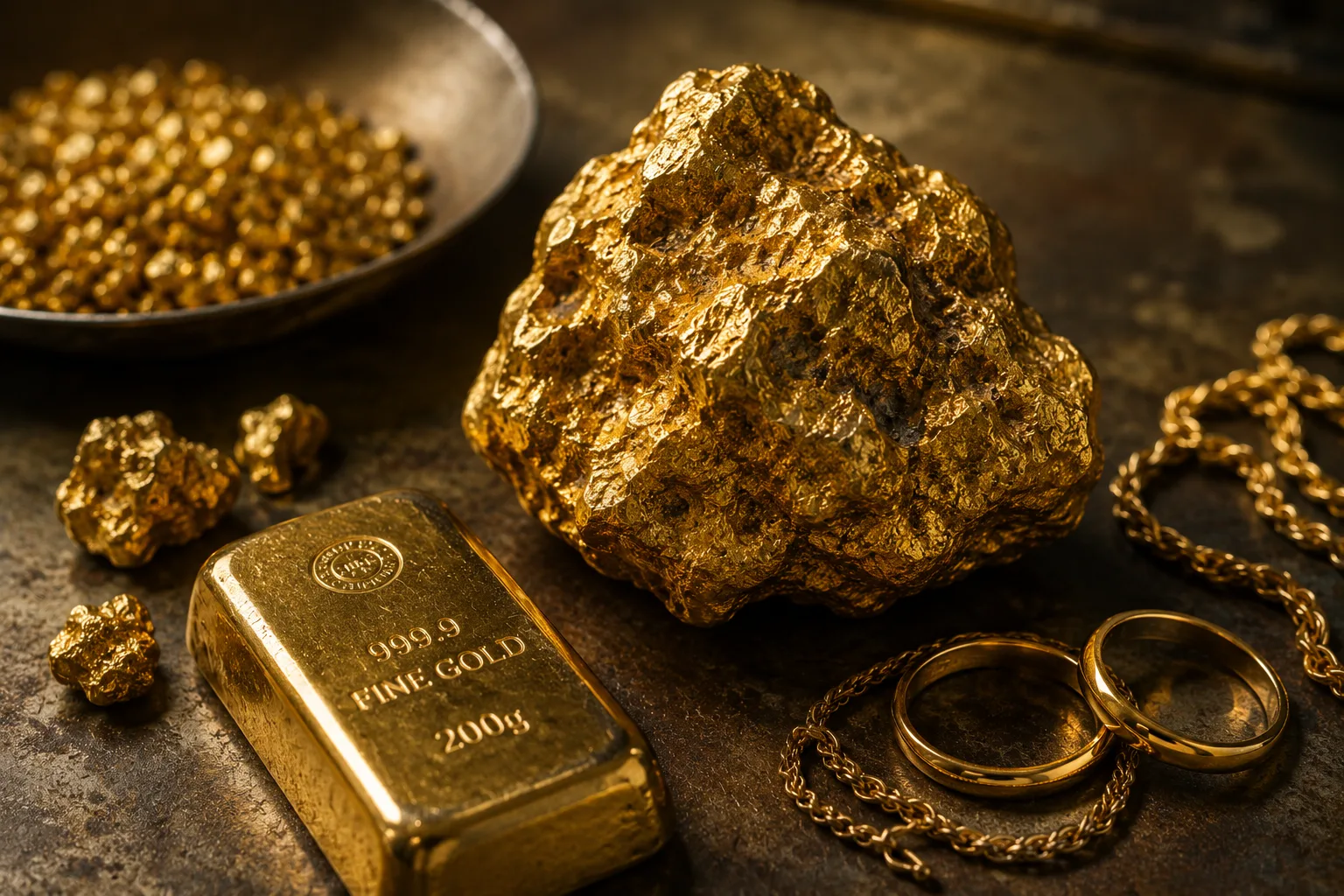
Coins often turn up alongside old rings and chains; our room-by-room guide to items at home that may contain gold can help you gather the rest. Leave coins as they are, uncleaned and in any holders or cases they came in.
At a free, private Gold Arthur appointment of about 15 minutes, at a local stop near you, each coin is checked and weighed in front of you. The expert explains its gold content and how the price relates to today’s gold price. Here’s what happens during a gold valuation.
There’s no obligation to sell. If you do, payment goes to your bank account no later than the fifth banking day. We never pay in cash.
Frequently asked questions
How much gold is in a half sovereign?
A half sovereign weighs 3.99 g and contains about 3.66 g of pure gold, exactly half of a full sovereign.
Is an old sovereign worth more than a new one?
Not necessarily. Age alone doesn’t add value; most Victorian and Edwardian sovereigns contain the same gold as a modern one. Only rare dates or coins in exceptional condition attract collector interest.
Does a worn or damaged sovereign lose its value?
Light wear makes very little difference to its gold value. Wear and damage matter mainly to collectors.
Can I bring a sovereign that’s mounted in jewellery?
Yes. Sovereign pendants and rings are common. Bring the piece as it is, and the expert will explain how it is valued.
Do I have to sell if I bring my coins along?
No. The valuation is free, your coins stay in front of you throughout, and you’re welcome to take everything home and think it over.
Sources
- The Royal Mint: The Sovereign 2026 five-coin set – weights, diameters and alloy
- HMRC Capital Gains Manual: CG78305 – Foreign currency (sovereigns minted in 1837 and later)
- Royal Mint Museum: 1817 King George III gold sovereign
Information checked on 20 October 2026.