Articles · Updated
Most of us think of gold as wedding rings and necklaces. But gold turns up in plenty of other places around the house – in a grandfather’s watch, a box of cufflinks, an old fountain pen or even a dental crown kept in a drawer. Here’s where to look, what’s likely to be real gold and what’s usually only plated.
Where gold hides at home
Go through the house one spot at a time. Items tagged often gold are worth checking first; items tagged check carefully are just as often plated.
The jewellery box
Broken chains & single earrings often gold
Old rings and wedding bands often gold
Lockets and charm bracelets often gold
Costume jewellery check carefully
The dressing-table drawer
Signet rings often gold
Cufflinks and tie pins check carefully
Brooches check carefully
Old watches check carefully
The desk and keepsake box
Gold sovereigns and coins often gold
Fountain pen nibs check carefully
Old dental crowns often gold
Medals and trophies check carefully
Broken, tangled and odd pieces still count
The pieces most often forgotten are the ones that can’t be worn any more: a snapped chain, a knotted necklace, a single earring whose partner went missing years ago. It’s easy to assume they’re worthless – but the gold in a broken chain is the same as in an intact one. Its value depends on weight and purity, not on whether it can still be worn.
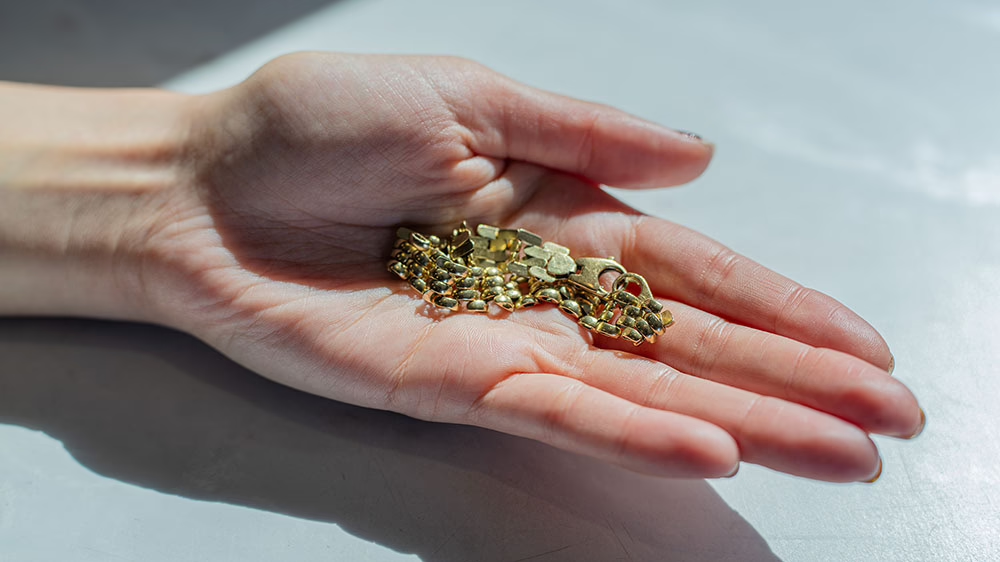
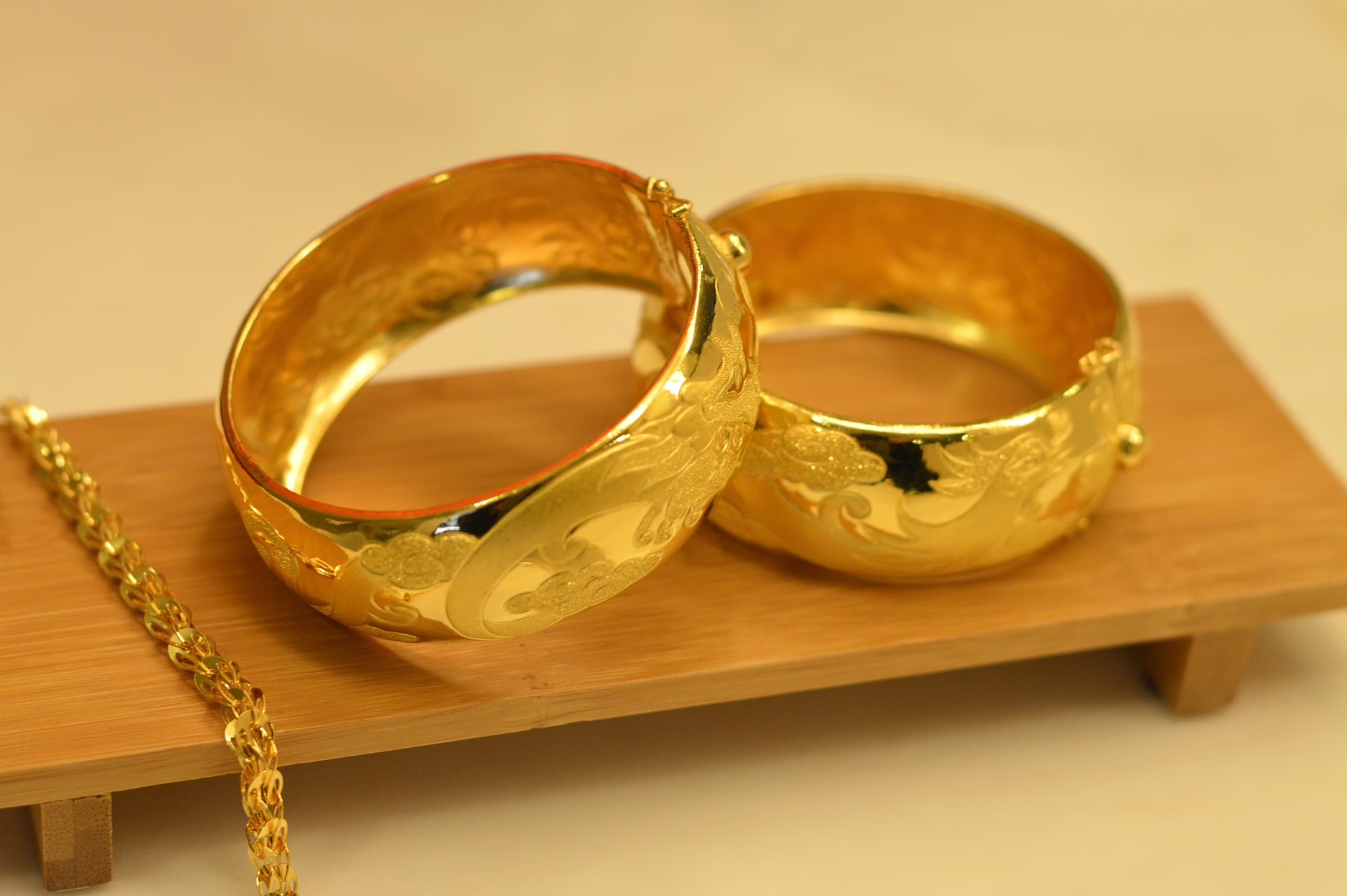
Odd fragments or treasured rings – both are valued on the gold they contain.
Watches, cufflinks and gifts from special occasions
Watches, cufflinks, tie pins and brooches are classic gifts for retirements, weddings and milestone birthdays – and because they’re rarely worn every day, they tend to end up in a drawer. Some are solid gold, others are plated, so it’s worth looking closely.
On older British watches, a gold case is usually hallmarked inside the case back, often 9ct (375) or 18ct (750). A whole bracelet may be gold, or only the case. Markings such as “rolled gold”, “gold filled” or “gold plated” mean only a thin layer of gold. Signet rings, a long-standing British tradition, are very often solid gold and usually carry a clear hallmark inside the band. To check marks yourself, see how to tell if gold is real at home.
The more surprising places
Gold sovereignsA full sovereign weighs about 7.98 g of 22ct gold, and many families have one or two tucked away as christening or wedding gifts. Some coins have extra collector value, so ask about that too.
Dental goldOld crowns, bridges and fillings were often made from gold alloys. If you’ve kept one, it may contain real gold.
Fountain pen nibsQuality pens often have a 14ct or 18ct gold nib, sometimes stamped with the carat. The rest of the pen is usually not gold.
Gilt and gold-plated itemsPicture frames, cutlery, trophies and ornaments often have only a thin gold coating, which adds very little gold value.
While you’re looking, keep an eye out for silver too – cutlery, christening cups and old bracelets. Our guide silver is more valuable than you think explains how to tell solid silver from plated.
Inherited gold and keeping things “just in case”
Gold is often passed down through generations, and many of these pieces carry real memories. Some are worth keeping for that reason alone. Others stay in a cupboard simply because no one is sure what they are, or what to do with them.
Wear doesn’t reduce the purity of gold, and old pieces contain exactly the same gold as when they were made. Knowing what you have can help you decide what to keep, what to pass on and what you might want to sell – in your own time. If you’re thinking about the practical side, how scrap gold can fund life’s big changes shares a few ideas.
Find out what your items contain

The only way to know what an item really contains is to have it tested and weighed. At a free, private Gold Arthur valuation, everything is evaluated in front of you, and the expert tells you what’s gold, what’s plated and how any offer relates to the current gold market price. Not every gold-coloured item contains gold – but you’ll leave knowing what you have.
The appointment takes around 15 minutes, and there is no obligation to sell. If you do sell, payment is made by bank transfer no later than the fifth banking day – never in cash. Read what happens during a gold valuation.
Frequently asked questions
Is a broken gold chain worth anything?
If it’s real gold, yes. A broken chain contains the same gold as an intact one of the same weight and purity.
Do old dental crowns contain gold?
Many older crowns and bridges were made from gold alloys, so they may contain real gold. Newer ones are often ceramic or other materials.
How do I know if a watch is real gold?
Look inside the case back for a hallmark such as 375 or 750. Words like “rolled gold”, “gold filled” or “gold plated” mean the gold is only a thin layer.
Can I bring items I’m not sure about?
Yes. You can bring as few or as many items as you like, including ones you’re unsure about. The expert checks each one in front of you.