Articles · Published
A small gold bar bought years ago, a set of 1oz bars kept in a drawer, or a bar inherited with a certificate you can no longer find: gold bullion is simpler to value than jewellery, but there are still a few things worth knowing first. This guide explains the common gold bar sizes, what a 1kg, 100g or 1oz gold bar is worth, how to recognise a genuine bar, what tax rules may apply in the UK, and how selling works.
Gold bar sizes and weights
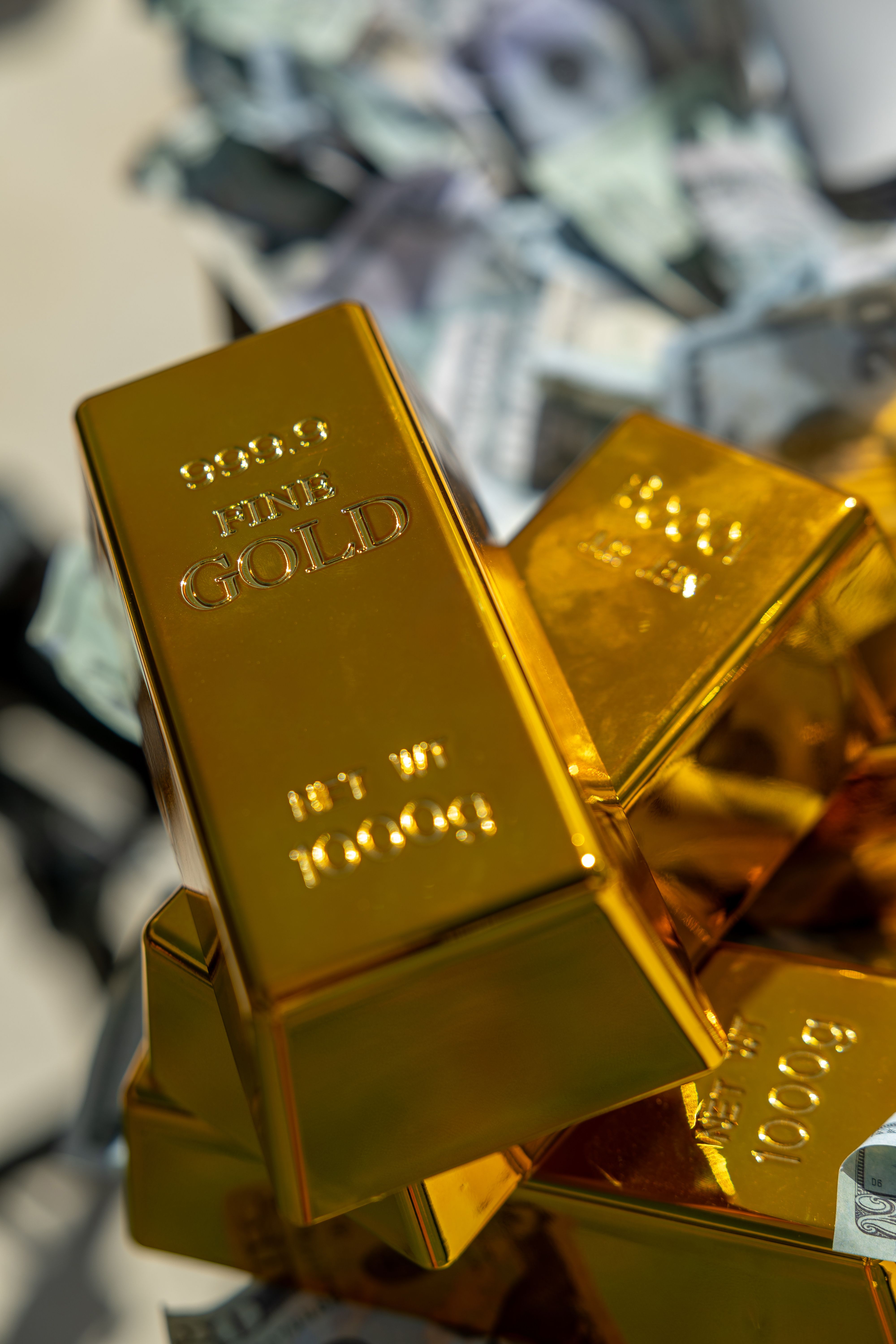
Gold bars come in a wide range of sizes, from tiny 1g bars sold as gifts to the heavy bars that banks and vaults trade. For private buyers in the UK, the most common sizes are 1oz, 50g, 100g and 1kg. Bars are sold either in grams or in troy ounces, the traditional unit for precious metals. One troy ounce is 31.1035 grams – a little heavier than the ordinary ounce used in the kitchen.
| Bar | Weight | Typical use |
|---|---|---|
| 1g – 20g | 1 to 20 grams | Gifts, small savings |
| 1oz | 31.1 grams | The classic investment size |
| 50g / 100g | 50 or 100 grams | Popular mid-size bars |
| 250g / 500g | 250 or 500 grams | Larger private holdings |
| 1kg | 1,000 grams | The largest common private bar |
The very large bars you see in films and bank vaults weigh around 12.5kg and are traded between banks and institutions, not usually by private owners. Almost every gold bar a household owns falls somewhere between 1g and 1kg.
Grams or troy ounces: reading the weight
Bars made by European refiners are usually marked in grams, while bars from some other refiners, and many older bars, are marked in troy ounces. To convert, multiply the ounces by 31.1035. A 10oz bar therefore holds about 311 grams, and a 1kg bar is roughly 32.15 troy ounces. If the stamp is worn or hard to read, the weight on a verified scale settles the question.
Be careful with ordinary kitchen or postal scales at home. They are rarely accurate enough for precious metals, and a difference of a gram or two matters when every gram is worth a meaningful amount. Treat a home weighing as a rough guide only.
Unlike jewellery, a modern gold bar is almost pure gold. Most bars are stamped 999.9 (often called “four nines”), meaning 99.99 % of the weight is gold. Coins are different: many gold coins, such as the sovereign, are 22 carat. If you have coins as well as bars, our guide to gold sovereign value explains how they are worked out.
How much is a gold bar worth?
The value of a gold bar comes from three numbers: its weight, its fineness and the price of gold on the day. Because a 999.9 bar is almost entirely gold, its metal value is very close to its weight multiplied by the gold price per gram. The price itself changes every working day and is set in US dollars per troy ounce, then converted into pounds. Our gold price per gram guide explains how that conversion works.
To keep the numbers simple, the ladder below uses a made-up example price of £100 per gram of pure gold. It shows how much gold each bar holds and its metal value at that example price – it is not today’s price and not a valuation.
Metal value at an example £100/g · 999.9 fine
1oz
≈ £3,110
50g
≈ £5,000
100g
≈ £10,000
250g
≈ £25,000
1kg
≈ £100,000
So how much is 1kg of gold worth? At the example price, a 1kg gold bar holds 999.9 grams of pure gold, which is about £99,990 in metal value. A 100g bar holds about a tenth of that, and a 1oz bar about 31 grams. To check your own gold bar, multiply its weight in grams by the fineness (0.9999 for most bars) and by the day’s price per gram.
How much is 100g or 50g of gold worth?
The same simple sum works for any size. At the example price of £100 per gram, 100g of 999.9 gold holds about 99.99 grams of pure gold, so roughly £9,999 in metal value, and a 50g bar about £4,999. A 20g bar would be close to £2,000 and a 10g bar close to £1,000. Swap in the real price per gram on the day you check, and you have a good idea of the metal value before you book.
Remember that this is the value of the gold inside, not the amount a buyer will pay. It is a useful starting point for comparing valuations, and for spotting a figure that seems far too low.
Why you receive less than the spot price
The “spot price” in the news is the market price for large amounts of pure gold. Anyone who buys a gold bar from you has costs for testing, handling and administration, so a valuation always sits somewhat below the spot price. The gap is usually smaller for bullion than for jewellery, because a bar is already almost pure gold.
It also helps to know that the price you paid when you bought the bar included a premium above the gold value – for manufacturing, packaging and the dealer’s margin. That premium is not something you get back when you sell, so comparing a sale price with the original purchase price can be misleading. The fairer comparison is against the gold content at today’s price.
Thinking of selling a gold bar? Book a free valuation online or by phone
+800 2023 0000 · Mon–Fri 9:00–15:00
How to recognise a genuine gold bar
A genuine gold bar from a recognised refiner carries clear markings on its face. Knowing what to look for helps you understand what you own – and spot anything that looks unusual. Here is what a typical bar shows:
1REFINER
2100 g
3FINE GOLD 999.9
4Nº A123456
1 · Refiner or mint
The name or logo of the company that made the bar.
2 · Weight
In grams, kilograms or troy ounces.
3 · Fineness
Usually 999.9, sometimes 995 on older or larger bars.
4 · Serial number
Common on larger bars and matched on any certificate.

Minted or cast? Smaller bars are usually minted: stamped from a sheet, with sharp edges, a polished finish and often a design on the back. Larger bars are often cast: poured into a mould, with a slightly uneven, rippled surface. Both types are genuine – the look simply reflects how the bar was made.
Assay cards and certificates. Many minted bars come sealed in a card that repeats the weight, fineness and serial number. Keep it if you have it and bring it along, but a gold bar without its card or certificate can still be weighed, tested and valued.
Fake bars do exist, sometimes with a core of a cheaper heavy metal hidden inside a thin gold layer. That is why any serious buyer weighs and tests a bar rather than relying on the stamp alone. Simple home checks such as a magnet can rule out some fakes but cannot prove a bar is genuine – our guide on how to tell if gold is real at home explains what those checks can and can’t tell you.
Gold bars and tax in the UK
Two taxes come up most often when people talk about gold bullion. This is general information only, not tax advice, and your own position depends on your circumstances.
VATHMRC treats a gold bar or wafer of at least 995 thousandths purity, in a weight accepted by the bullion markets, as investment gold, and supplies of investment gold are exempt from VAT (VAT Notice 701/21).
Capital Gains TaxGOV.UK explains that you may have to pay Capital Gains Tax when you sell a personal possession for £6,000 or more. A larger gold bar can easily pass that figure, so check the rules for your situation before selling.
Some UK gold coins are treated differently for tax than bars. Our article on investment gold vs jewellery covers the main differences. For anything specific to you, HMRC or a tax adviser is the right place to confirm.
Before you sell gold bullion: a short checklist
A little preparation makes the appointment quicker and helps you understand the valuation you receive.
- List what you have. Note the weight, fineness and refiner shown on each bar, and any serial numbers.
- Check the day’s price. Work out the rough metal value using the sum above, so you have a reference point.
- Gather the paperwork. Assay cards, certificates and purchase receipts are helpful, though not required.
- Leave it as it is. Don’t clean, polish or try to test the bar yourself – it can leave marks and doesn’t change the gold value.
- Think about tax first. For larger amounts, check the Capital Gains Tax position before you sell, not afterwards.
It is also worth deciding in advance whether you want to sell everything at once or only part of your holding. Smaller bars make it easy to sell a little at a time, while a single large bar is usually sold whole. There is no right answer – it depends on what you need the money for and how you feel about holding gold.
How to sell a gold bar with Gold Arthur
Gold Arthur values gold bars of all sizes, from 1g bars to 1kg, by their weight and gold content. You book a free, private appointment of about 15 minutes at a local stopping point near you, so you never have to post your bullion. Your gold bar is weighed on a verified scale that faces you and tested in front of you, and the expert explains how the valuation relates to the current gold price.

Bring any cards, certificates or receipts you have, along with any jewellery or coins you would like valued at the same time. Then the decision is yours: you can sell your gold bar, keep it, or take time to think. There is no obligation to sell. If you choose to sell, you receive a receipt by text and email, and payment goes to your bank account no later than the fifth banking day. We never pay in cash. You can read more about each step in what happens during a gold valuation.
Gold bars: frequently asked questions
How much is 1kg of gold worth?
A 1kg gold bar of 999.9 fineness holds 999.9 grams of pure gold, so its metal value is that weight multiplied by the day’s price per gram. The gold price changes daily, and a valuation sits somewhat below the spot price.
How much is 1 ounce of gold worth?
A 1oz gold bar weighs 31.1 grams, so its metal value is about 31.1 times the price of a gram of pure gold. Gold coins of one ounce, such as a Krugerrand, contain a full ounce of pure gold even though the coin itself is 22 carat.
Can I sell a gold bar without its certificate?
Yes. A gold bar is valued on its weight and tested gold content. Bring the card or certificate if you have it, but it isn’t required.
Does Gold Arthur buy large gold bars?
Yes. Gold Arthur values gold bars of all sizes, including 1kg bars, by their weight and gold content.
Is a scratched or marked gold bar worth less?
For its gold value, no. Scratches and handling marks don’t change the weight or fineness of the gold.
How quickly am I paid if I sell gold bullion?
Payment goes to your bank account no later than the fifth banking day after the sale. We never pay in cash.
Sources
- GOV.UK: Gold acquisitions, imports, investments and VAT (Notice 701/21), sections 2.1 and 2.2
- GOV.UK: Capital Gains Tax on personal possessions
Information checked on 17 November 2026.