Articles · Updated
Whenever markets wobble, prices rise or the news turns gloomy, gold seems to be in the headlines. People have trusted it for thousands of years, and it still draws attention whenever the economy feels uncertain. But why – and does that mean gold is always a safe bet? Here’s a balanced look at gold’s role in uncertain times, and what it means for the gold you may already have at home.
What “safe haven” actually means
A safe haven is an asset that people expect to hold up better than others when times are hard. Gold is often described this way for a few simple reasons. It isn’t issued by any government or bank, so it doesn’t depend on one country’s economy. It can’t be printed like money – there’s only as much as has been mined. And it’s physical: you can hold it, and it doesn’t wear out.
That’s why demand for gold often grows when stock markets fall, inflation rises or global tensions increase. The same properties – it doesn’t corrode and can be reused endlessly – are explained in what makes gold such a unique material.

Three common beliefs – and the reality
Gold’s reputation is well earned, but it’s often oversimplified. Here’s what’s true and what isn’t.
Why the trust has lasted so long
Gold has been used as money and as a sign of wealth for thousands of years. Coins, currencies and banking systems have come and gone, but gold itself has stayed the same metal, recognised almost everywhere. Even today, with card payments and online investing, central banks still hold large gold reserves – and keep adding to them.
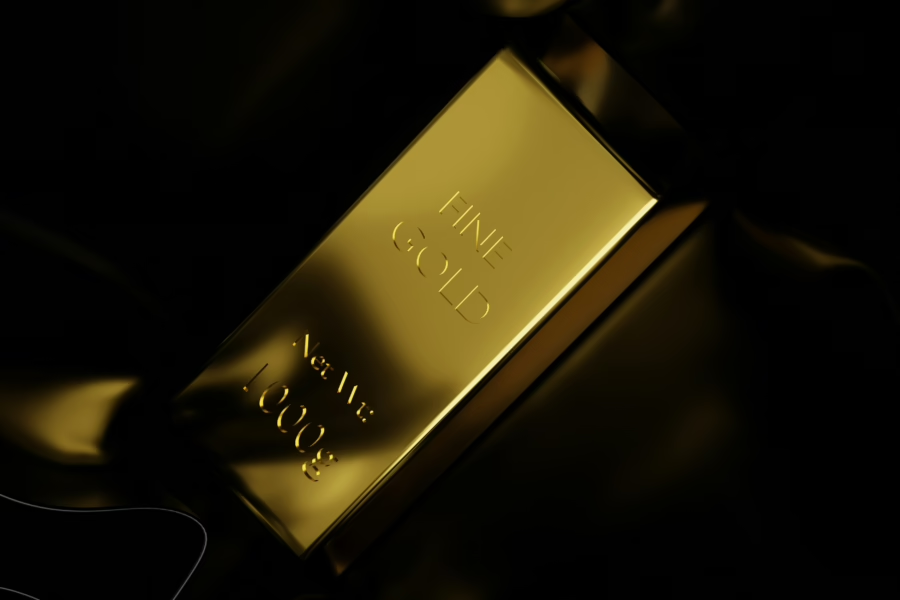
For individuals, investment gold usually means coins and bars, which are very close to pure gold. Jewellery is a different thing: it’s an alloy, made to be worn. The differences are explained in investment gold vs jewellery.
What it means for the gold you already own
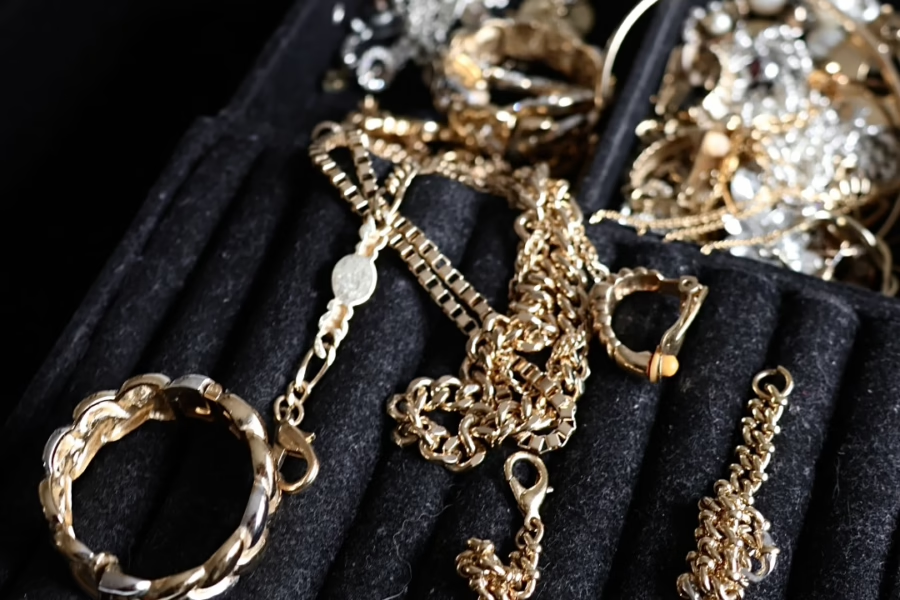
Most people don’t hold gold as an investment at all – they have it as jewellery, gifts and keepsakes. When the gold price is in the news, it’s natural to wonder what those pieces are worth. The honest answer is that it depends on how much gold they contain and on the gold price on the day they’re valued – and neither of those is visible from the outside.
It also helps to know that an offer for jewellery is always below the headline gold price you see in the news, because the gold still has to be refined before it can be reused. Our guide selling gold: what do I need to know? explains why.

Find out what your gold is worth today
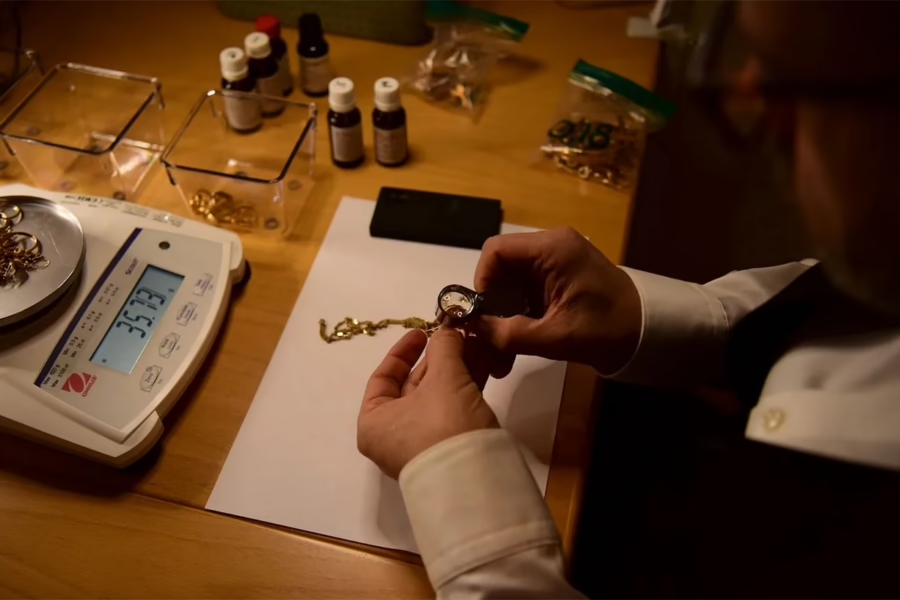
Gold Arthur visits local stops across the UK. Your free, private valuation takes around 15 minutes: your items are tested and weighed in front of you, and the expert explains how any offer relates to the current gold market price. There is no obligation to sell. If you do sell, you’re paid by bank transfer no later than the fifth banking day – never in cash. See what happens during a gold valuation.
Frequently asked questions
Why is gold called a safe haven?
Because it isn’t tied to any one government, bank or currency, can’t be printed and doesn’t wear out. That makes many people turn to it when other markets feel unstable.
Does the gold price always rise during a recession?
No. Interest in gold often grows, but its price depends on many factors and can also fall during difficult periods.
Why do central banks buy gold?
Mainly to spread their reserves beyond any single currency. In 2025 they bought around 860 tonnes, according to the World Gold Council.
Is now a good time to sell my gold jewellery?
Nobody can say for sure where the price will go. The most useful first step is to find out what your pieces contain – then you can decide calmly, based on your own situation.
This article is general information, not financial advice. If you’re considering investing, speak to a qualified financial adviser.
Sources
- World Gold Council: Gold Demand Trends – Full Year 2025 (2026)
Checked 2 October 2026.